

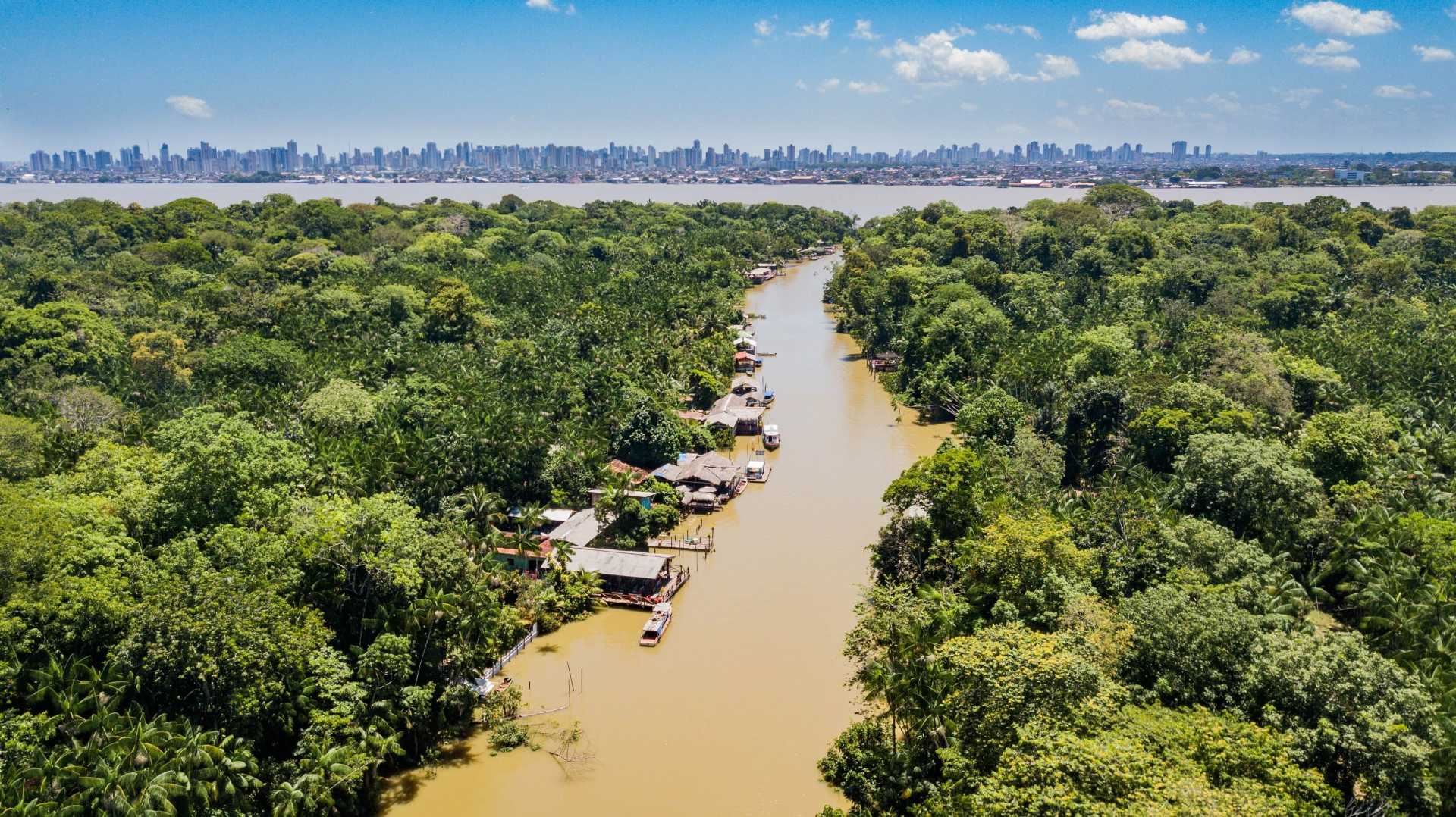
We are unwavering in our support for Indigenous peoples and traditional communities. We are defenders of the planet from every corner of the world
We are the People. And we won’t wait any longer for a just future and a thriving planet. As Brazil prepares to host the next global climate summit in Belém, we are at a decisive turning point.. We face the truth with clarity: the climate crisis is here - and so is our power to transform it.
Under President Lula’s leadership, Brazil has taken critical steps to restore environmental governance and reduce deforestation. But deep concerns remain.
Fossil fuel expansion continues, with offshore oil drilling planned near the mouth of the Amazon River.
Agribusiness destroys land and life.
Global banks pour billions into polluting fossil fuel and mining projects.
Environmental and Indigenous defenders live under the shadow of death threats, while impunity reigns.
Yet Brazil is a beacon of hope - a country that can lead the world in building a new era of climate justice, grounded in dignity, equity, and action.
WE DO NOT ASK. WE DECLARE.
We declare that people must come before profit.
We declare that the forest is not a commodity.
We declare that we must act in solidarity with the Indigenous and traditional communities defending our planet.
We declare that a thriving future is possible and worth fighting for.
We can no longer accept politicians and business people, including financiers and governments in the Global North, putting profit over people and planet. And we are here to ensure they won’t. COP 30 must be a milestone, not a missed opportunity.
This is not a moment for half-measures.
By 2026, Brazil must deliver:
1.) Demarcation of all Indigenous Lands and and respect for Indigenous rights above corporate profits.
2.) A complete halt to fossil fuel expansion or any industrial exploitation - including oil, gas, and mining - in Indigenous territories, protected areas, and ecologically sensitive biomes.
3.) A Federal Law of Zero Deforestation by 2030, covering all of Brazil’s biomes: Amazon, Cerrado, Mata Atlântica, Caatinga, Pantanal, and Pampa.
4.) Prioritise a just and equitable climate transition that centres women, Black, Indigenous, and traditional communities.
President Lula: History is calling.
Future generations will remember courageous actions, not empty words.
Countdown to COP30
0
days
0
hours
0
minutes
0
seconds